
Is Scratch & Dent Furniture Worth It? An Honest Answer From People Who Sell It
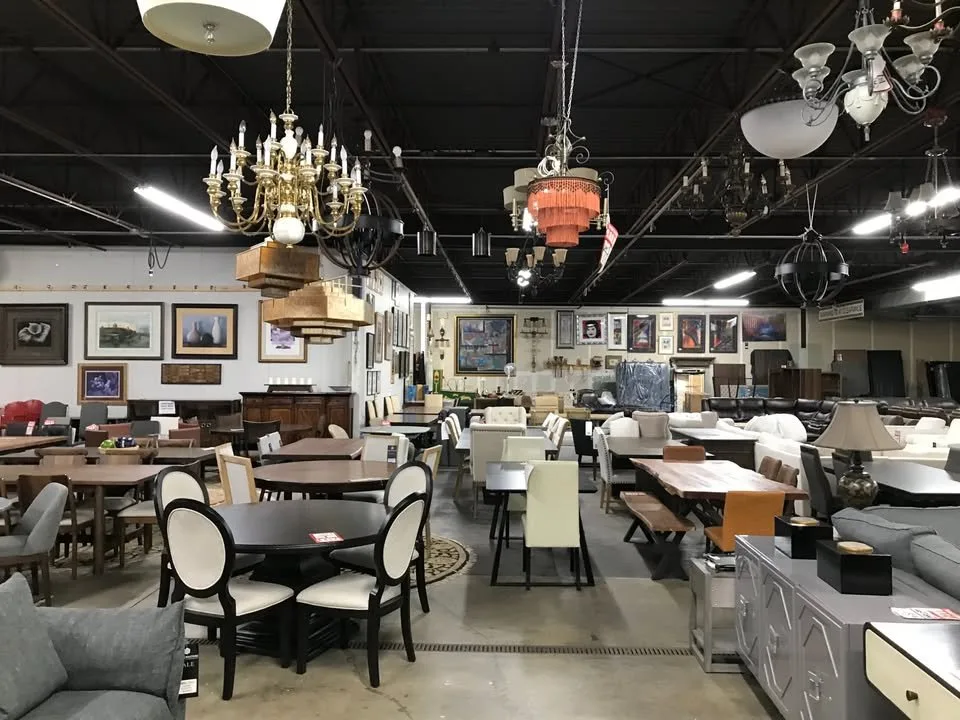
We sell scratch and dent furniture for a living, so you'd expect us to say yes and wave you toward the register.
Actual answer: usually yes, occasionally absolutely not, and the difference takes about ninety seconds to spot once you know where to look. We're going to show you where to look, including the part where we tell you when to keep your money.
What Does "Scratch and Dent" Actually Mean?
It's furniture that picked up cosmetic damage somewhere between the factory and a sales floor: a shipping scuff, a dinged corner from a forklift, a scratch from living on a showroom floor. It can't be sold as new anymore, so it gets discounted and sold as-is.
Here's the distinction that matters, and the one most people miss: "scratch and dent" describes what happened to the piece, not how it was built. A quality designer dresser with a scuffed back panel is still a quality designer dresser: same drawer glides, same joinery, same wood. The scratch changed the price, not the furniture.
That's very different from "outlet-grade" pieces some chains manufacture cheaply specifically to sell at outlet stores, a trap we cover in more detail in are furniture outlets actually cheaper. Ours come from one place: our family's showroom, DMP Furniture, where they were headed for full-price sales floors before a scratch or a dent changed their story.
How Much Cheaper Is Scratch and Dent Furniture?
At our warehouse, typically 40-70% off retail, and the math follows a simple rule: the discount tracks the flaw, not the quality.
A scratch on the back of a dresser, the side that faces a wall for the rest of its life, might take 50% off.
A visible mark on a front panel goes deeper.
A piece with real cosmetic wear gets priced like we want it gone, because we do. Warehouse space costs money.
A real example from our floor: a $1,600 upholstered sofa with a two-inch scuff on the back right leg, tagged at $699. The leg tucks against the wall. Nobody who has ever sat in that living room knew it was there, including, eventually, the person who bought it.
When It's Absolutely Worth It
The flaw lives where nobody looks. Backs, undersides, wall-facing sides, bottom-of-leg territory. You're getting paid hundreds of dollars to know a secret.
It's a solid frame with quality construction. Wood scratches sand out, fill in, or vanish under an $8 touch-up marker. Quality survives cosmetic damage; the discount doesn't know that.
You have kids or dogs. Let's be honest about the timeline: the first scratch was arriving within six months anyway. Buying it pre-scratched at half price is just efficient parenting.
It's a piece you already wanted. Same brand, same construction you were eyeing at retail, minus a flaw you had to hunt for? That's not a compromise. That's a win with paperwork.
When It Isn't
We'd rather lose a sale than sell you a regret, so:
Structural damage is not cosmetic damage. A wobbly frame, a cracked support rail, a busted drawer glide: walk away no matter the price. A scratch is a story; a cracked frame is a countdown.
Torn upholstery in the middle of a seat cushion.Reupholstering costs more than most people expect, often more than the discount saved you.
You'll stare at it forever. A mark dead-center on a dining table top will catch your eye at every single dinner for a decade. Know yourself. Some people stop seeing flaws in a week; some never do. Only one of those people should buy that table.
The discount doesn't match the flaw. Ten percent off for a visible gouge is not a deal, it's a dare.
How to Inspect a Piece Before You Buy: The 6-Point Check
Everything on our floor is sold as-is, and we genuinely want you crawling around it first. The full check takes two minutes:
Frame - push diagonally on opposite corners. Any wobble or creak from the structure (not the floor) is disqualifying.
Joints - look where legs, arms, and rails connect. Tight and clean, or gapped and stressed?
Drawers and glides - open every drawer fully, twice. They should run smooth and sit level.
Seams and upholstery - run your hand along seams and cushion edges. A pulled thread is nothing; a separating seam grows.
Legs - all level on the floor, none cracked where they meet the frame. Check if they're replaceable (most screw off).
Hardware - hinges, handles, brackets, bolts. Tight, matching, all present.
Pass all six and the flaw is cosmetic? The discount is free money. Fail on the frame or joints? There is no discount big enough.
Can You Repair Scratches and Dents Yourself?
Most cosmetic ones, yes, embarrassingly easily:
Light scratches in wood: touch-up markers or wax fill sticks, matched to the finish, $8-15 at any hardware store. Thirty seconds per scratch.
Shallow dents in solid wood: a damp cloth and a clothes iron steams the wood fibers back up. Genuinely feels like a magic trick the first time.
Deeper gouges: wood filler, sand, touch-up marker. An hour of YouTube-guided effort.
Fabric snags: pulled threads get worked back through with a needle; small pulls disappear with upholstery repair kits from any fabric store.
The punchline: a $10 marker regularly stands between a piece and 50% of its retail price. We watch people do this math on our floor every weekend. The ones with the marker already in their truck are our favorite customers.
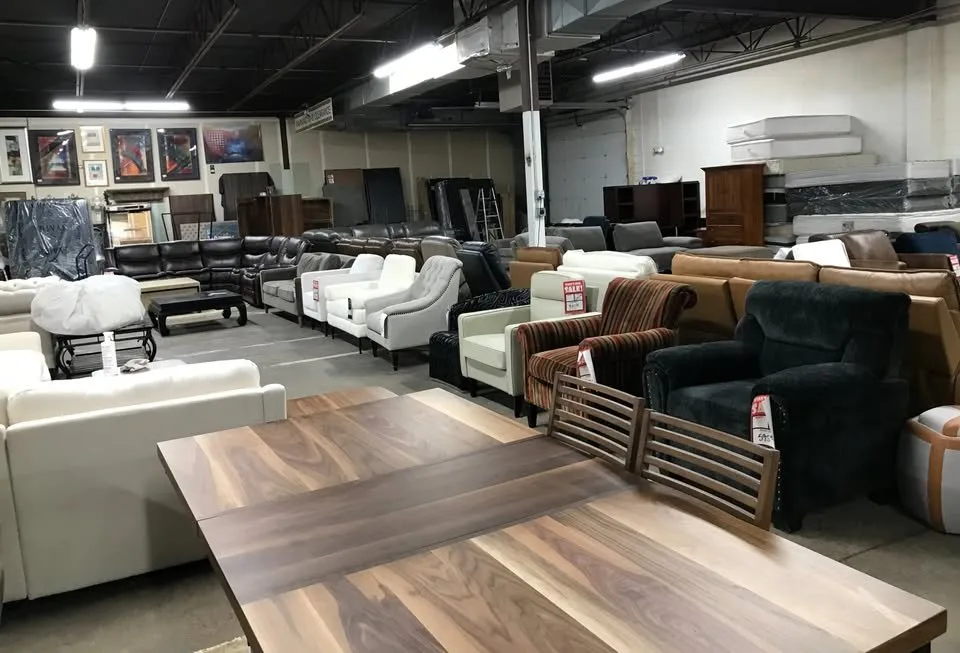
Want to see what's actually on our scratch and dent furniture floor right now? Check this weekend's finds first, then plan the trip on the visit page before you make the drive.